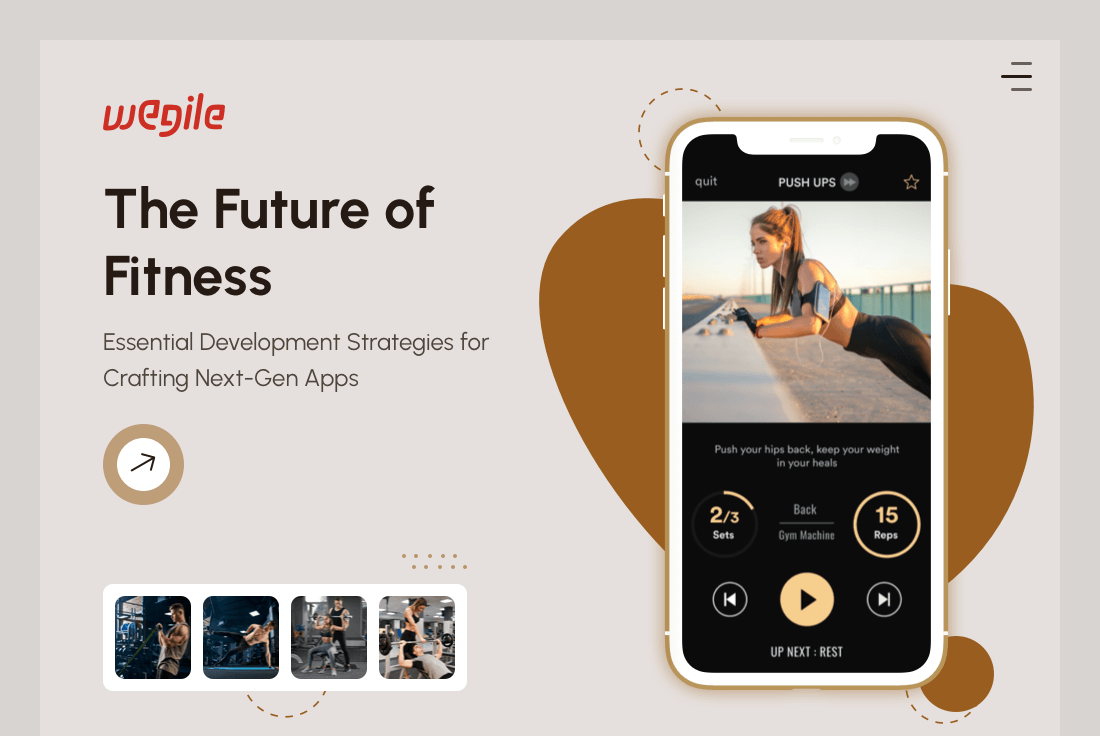
The fitness app market is rapidly booming, and based on growth statistics, the market is expected to be USD 25.9 billion by the calendar year 2033, with an 18% anticipated compound annual growth rate. As we progress into 2026, more than merely following the prescriptions of other fitness apps, the key is to build an extraordinary fitness app. Our guide covers vital techniques and introduces new features to help you excel in a competitive fitness application environment.
Omnichannel Strategy: 15 Best Practices for Fitness App Development
Modern eCommerce success depends on meeting customers across multiple digital touchpoints rather than relying solely on a standalone website. Businesses are increasingly leveraging marketplaces like Amazon and Flipkart, along with social commerce platforms such as Instagram and Facebook, to expand reach and capture high-intent audiences.
An effective omnichannel strategy ensures consistency in branding, pricing, and customer experience across all channels. By integrating inventory, order management, and customer data systems, businesses can deliver seamless transitions between platforms, improving both customer satisfaction and overall conversion rates.
1. Learn About Your Target Audience
When you are ready to start developing your fitness app, always conduct market research to understand who your customers are and what they want or need. This understanding will inform the design and functionality of the application, ensuring it captures user needs regarding fitness.
Use questionnaires, focus groups, and user personas to gather information. Do you have scrimpers, gym bunnies, or professional bodybuilders in mind? What is the target population? Ask all these questions to yourself before you begin your fitness app development journey.
Adjust your app accordingly; for example, beginners should have tutorials or instructional videos, while advanced users will require detailed analytics and performance features. This research also helps determine long-term priorities, such as whether calorie counting, mindfulness activities, or social sharing options are essential.
2. Work on User-Friendly Design
A great user interface (UI) improves the user experience. Make sure the app’s menu and features are intuitive, with clear icons. The purpose of the app should be to help users track their fitness, not confuse them with complicated technology. Use a simple design, free from excess graphic elements or clutter that could increase cognitive load.
Use principles of UX design, such as feedback (confirming actions like logging a workout), structure, and consistency. Integrate accessibility options like text resizing and toggling between dark and light backgrounds. A smooth user experience enhances customer retention and promotes long-term habits.
3. Incorporate Personalization Through AI
Use AI in fitness apps to create personalized training programs and nutrition plans based on users’ basic information like age, fitness level, and preferences. This enhances user activity and efficiency. For example, AI algorithms can track past performance, adjust courses to reflect progress, and suggest changes to avoid stagnation.
AI can also predict user preferences for workout types (HIIT, yoga, strength training) and recommend adjustments based on health data. The more individualized the experience, the higher the chances of user satisfaction and loyalty.
4. Ensure Data Security and Privacy
When collecting health information, ensure that data is well-protected. Comply with data protection laws like GDPR, HIPAA, and CCPA, and inform users how their data is being used. Encrypt stored and transmitted data and secure accounts with multi-factor authentication.
Perform frequent security assessments, risk evaluations, and penetration testing to detect threats. Clearly communicate your privacy policies to users. Trust is essential for user retention, especially when dealing with sensitive information.
5. Integrate Wearable Technology
Enhance user engagement by allowing your app to interact with popular wearables like smartwatches (Apple Watch, Fitbit, Garmin) and fitness trackers. It enables real-time monitoring of activities, heart rate, calories burned, sleep, and other important statistics.
Synchronization ensures users don’t have to input data manually. Let users set goals on their wearable devices and receive instant progress updates. Integration with IoT technology can further enhance features like automatic workout logging and push notifications.
6. Implement Gamification Elements
Increase motivation by adding challenges, incentives, and rankings to your app. Gamification makes fitness activities fun and encourages ongoing participation. Examples include daily challenges, achievement badges, and leveling-up systems.
Use streaks to promote consistency and offer virtual rewards for milestones like completing a week of workouts. Friend challenges and competitions add accountability and fun, helping users stay on track.
7. Offer Multi-Platform Accessibility
Adapt your app for multiple platforms, including iOS, Android, and web interfaces. It expands your reach and gives users the flexibility to access fitness data from any device. Use cross-platform frameworks like Flutter or React Native to streamline development.
Allow users to resume workouts on different devices, such as starting on a phone and continuing on a tablet or smart TV. This convenience enhances user satisfaction to great extents.
8. Provide Comprehensive Support and Resources
Beyond workouts, offer resources like dietary advice, stress management tips, and access to professional trainers. A holistic approach to health adds value to your app.
Include features like video consultations with trainers, personalized meal plans, and recovery tips. Mental health tools like meditation exercises and stress management resources enhance overall well-being.
9. Incorporate Social Features
Let users share progress, join groups, and participate in community challenges. Social interaction fosters accountability and motivation. Include features like a social feed for sharing achievements and tips.
Integrate with social media for easy sharing. Allow users to form fitness groups, follow friends, and send workout invitations to boost long-term motivation.
10. Adopt Data Analytics for Continuous Improvement
Use analytics to monitor user activity and app performance. This data-driven approach helps improve app features and user experience. Track metrics like engagement rates, drop-off points, and feature usage.
Use insights to inform updates and improvements. In-app surveys and feedback forms can also gather user opinions for future enhancements.
11. Guarantee Adaptability and Future-Proofing
Design your app to accommodate future growth and technology changes. Use modular structures and cloud solutions for scalability. Ensure your backend can handle increased data and traffic.
Stay updated with trends like AI, AR/VR, and new fitness tech to keep your app relevant. Scalability prevents performance issues as your user base grows.
12. Focus on Accessibility and Inclusivity
Incorporate features like voice commands, text resizing, and screen reader compatibility to ensure accessibility for users with disabilities. Inclusive design broadens your user base.
Consider users in rehabilitation or with chronic conditions. Flexible features that accommodate different physical abilities make your app more widely usable.
13. Implement Adaptive Learning Algorithms
Create systems that adapt workout difficulty based on user progress. This dynamic approach keeps users challenged. For example, if a workout becomes too easy, the app can suggest higher intensity or new routines. Adaptive learning prevents boredom and enriches effectiveness.
14. Offer Virtual Reality (VR) Experiences
Integrate VR for immersive workouts, like virtual classes or scenic cycling routes. VR makes home workouts feel like gym sessions, enhancing engagement.
Users can enjoy virtual environments for yoga, cycling, or running, adding excitement and variety to workouts.
15. Provide Mental Health Integration
Include features like mindfulness exercises, stress management tools, and daily affirmations. Addressing mental health makes your app comprehensive.
Guided meditations and breathing exercises improve overall well-being, boosting user satisfaction and retention.
Post-Launch Optimisation: Scaling Your eCommerce Website
Launching an eCommerce website is only the beginning; sustained growth depends on continuous optimisation and performance monitoring. Businesses must track key metrics such as conversion rates, bounce rates, customer acquisition cost, and average order value to identify improvement opportunities.
Ongoing optimisation includes A/B testing, performance enhancements, SEO updates, and customer experience improvements. Leveraging analytics and user feedback enables data-driven decision-making, ensuring the website evolves in line with market demands and maintains long-term competitiveness.
The Bottom Line
By following these best practices and incorporating innovative features, you can develop a fitness app that meets market demands and sets new standards for user engagement. Staying attuned to trends and user feedback will keep your app relevant.
Ready to bring your fitness app idea to life? Reach out to the best Mobile App Development services that specializes in innovative fitness apps. Let’s turn your vision into a standout app in 2026. Connect with us today!
Leave a Reply